
- Home
- Pet encyclopedia
- Reptiles
Reptiles breeds
Complete profiles of Reptiles breeds with photos, traits and care guides.
15 breeds
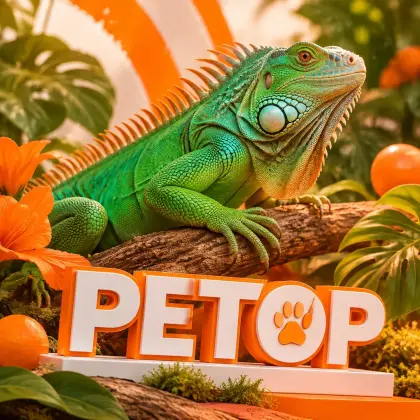
Green Iguana
Dragon-like but grows to 1.5 m and needs a very large, warm enclosure.
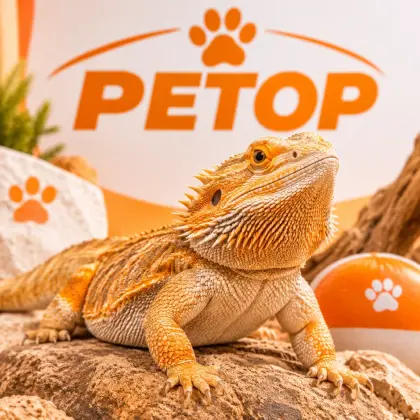
Bearded Dragon
A calm, interactive lizard that eats both insects and greens.
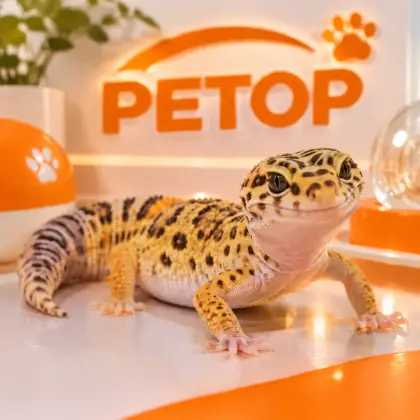
Leopard Gecko
The perfect starter reptile: docile, low-maintenance and available in many morphs.
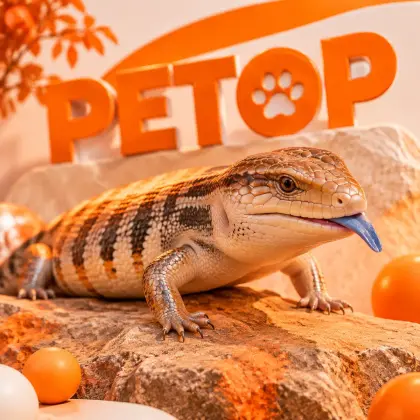
Blue-tongued Skink
A hardy, docile lizard with a bright blue tongue and an omnivorous diet.
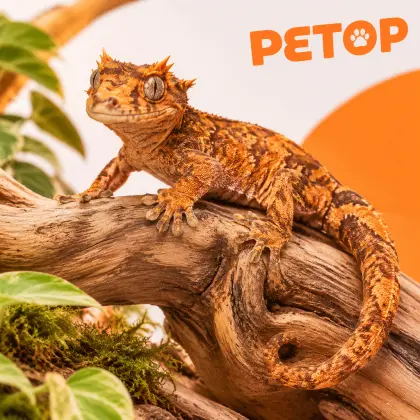
Gargoyle gecko
A knobby-headed cousin of the crested gecko.
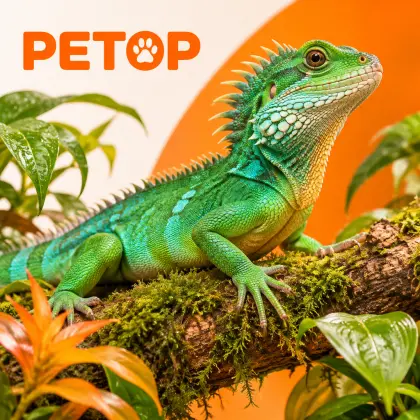
Chinese water dragon
A green arboreal lizard that needs a water pool.
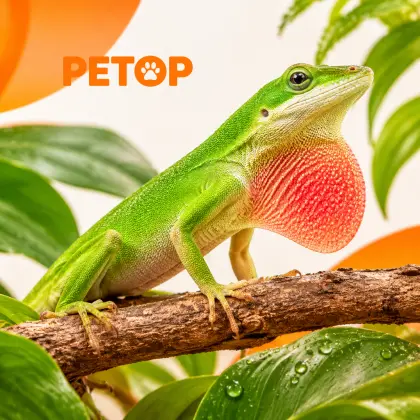
Green anole
A tiny lizard that shifts between green and brown.
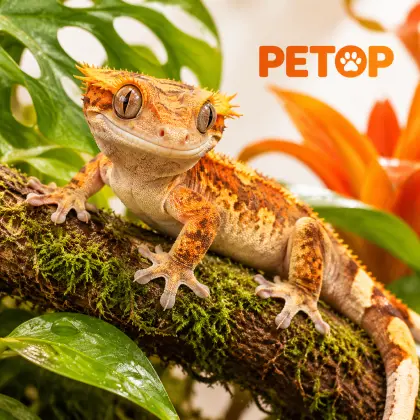
Crested gecko
A gentle eyelash-crested gecko that thrives on fruit-based powder diets.
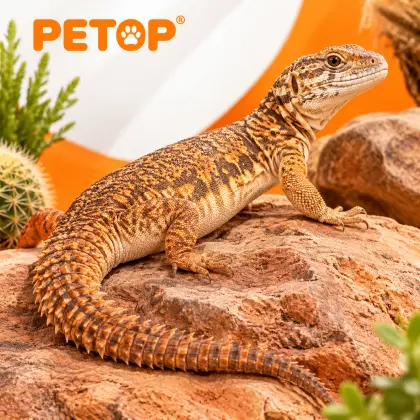
Spiny-tailed monitor
The most kept dwarf monitor—needs deep substrate.
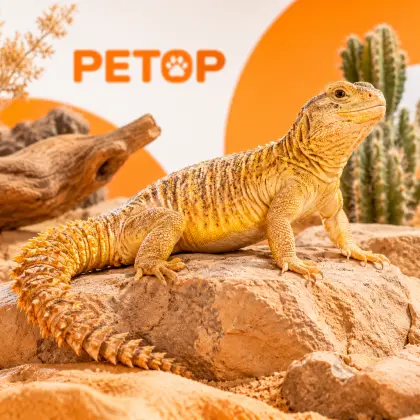
Uromastyx
A desert herbivore needing very high heat and UVB—Iranian wild species are protected.
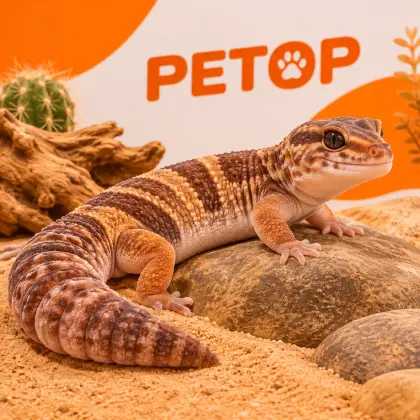
African fat-tailed gecko
A leopard gecko relative that needs more humidity.
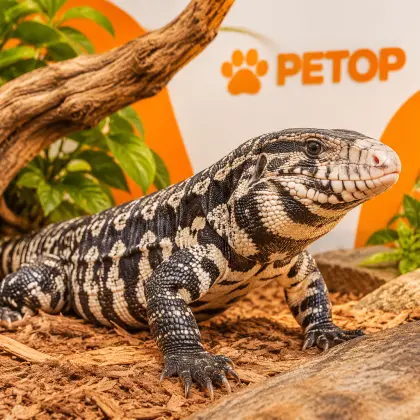
Argentine black and white tegu
A large, dog-like lizard that tames well but needs huge space.
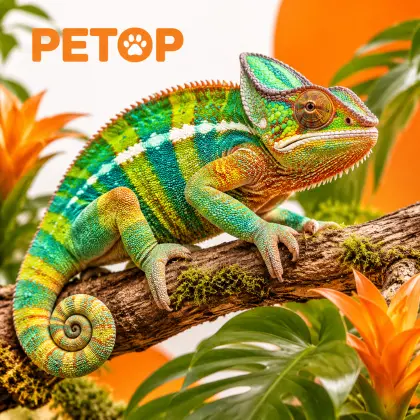
Panther chameleon
A dazzlingly coloured chameleon—for viewing, not handling.
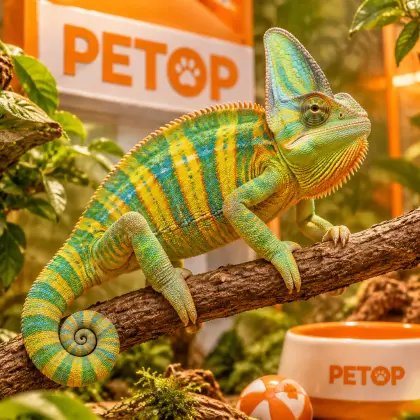
Veiled Chameleon
Captivating colour changes and independent eyes—but delicate and not for beginners.
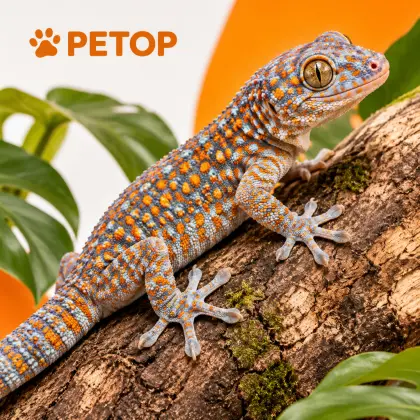
Tokay gecko
A vivid but bitey gecko—for display, not handling.
General care guide: Reptiles
Heat and light
Reptiles rely on their environment for body heat. Provide a thermal gradient with a thermostat and proper UVB lighting.
Diet & law
Insects dusted with calcium for geckos and dragons, greens for tortoises and iguanas, frozen-thawed rodents for snakes. Native Iranian reptiles are protected—only captive-bred, non-venomous species may be listed.
Related articles
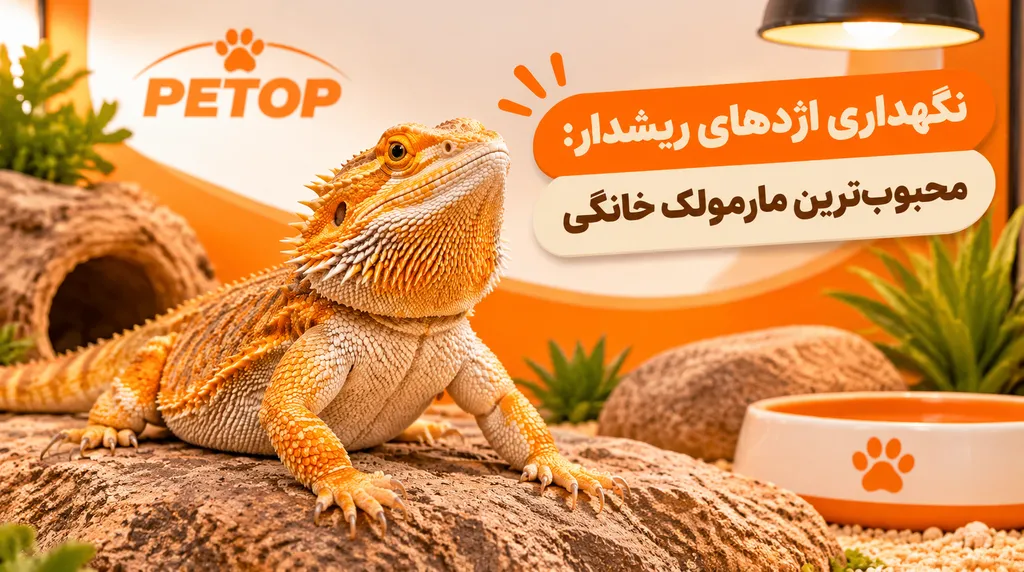
Bearded dragon care guide
Large enclosure, strong UVB and a mixed insect-and-greens diet.
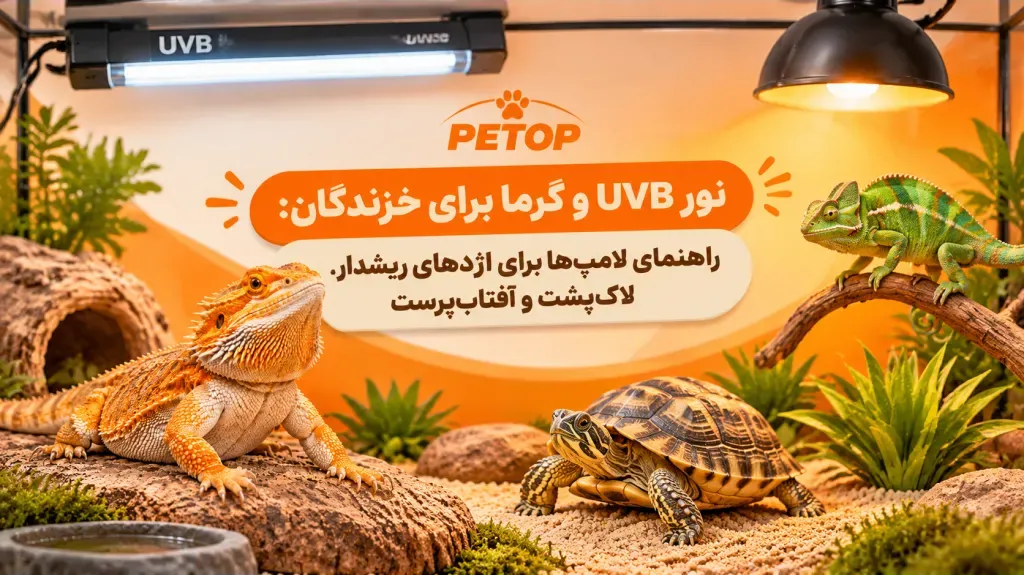
UVB and heat for reptiles
Without proper UVB, diurnal reptiles can’t absorb calcium.
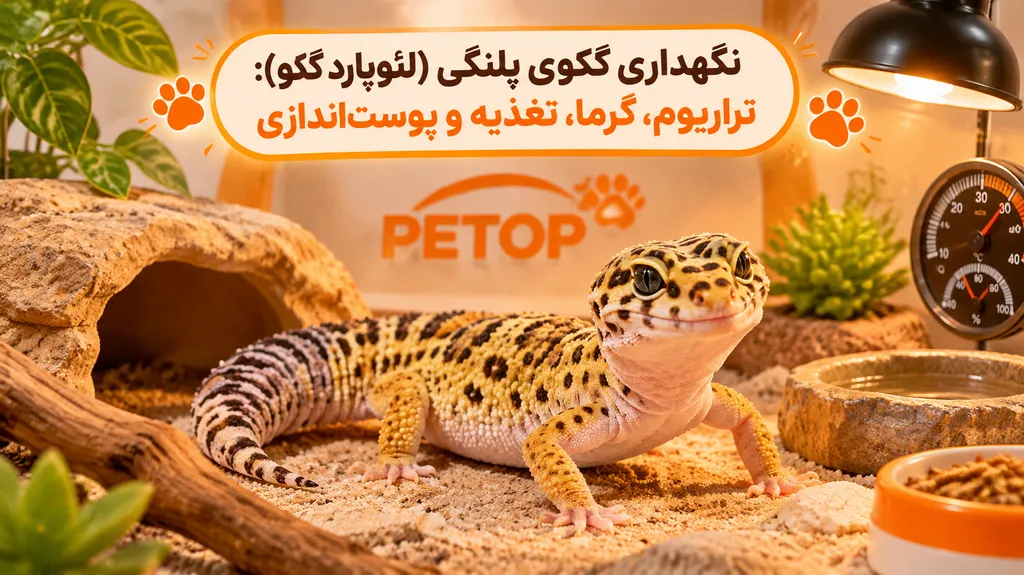
Leopard gecko care guide
Setup, belly heat, insect diet and preventing metabolic bone disease.