
Dogs breeds
Complete profiles of Dogs breeds with photos, traits and care guides.
74 breeds — page 1 / 2

English Bulldog
A calm, sturdy companion with a lovable sour-mug face and high vet needs.

Shih Tzu
A palace companion dog: affectionate, low-shedding and ideal for apartments.

Dachshund
The long-bodied badger hound: bold, clever and occasionally stubborn.

French Bulldog
A bat-eared apartment favourite that barks little and needs modest exercise.

Shiba Inu
An ancient Japanese spitz, fox-like, fastidious and cat-like in independence.

Chihuahua
The world’s smallest breed, fiercely loyal to one person and great for small homes.

Cocker Spaniel
A cheerful, gentle spaniel with long ears, originally a bird-flushing gun dog.

Pomeranian
A fluffy toy spitz full of personality, perfect for apartments.

Pug
A wrinkly, comedic lap dog that loves people but struggles in the heat.

Maltese
A silky white toy companion, low-shedding and devoted.

Pembroke Welsh Corgi
A short-legged herding dog famed as the royal favourite; smart and cheerful.

Poodle
Comes in toy, miniature and standard sizes; extremely intelligent with a low-shedding coat.

Yorkshire Terrier
A tiny terrier with a silky coat and a big-dog attitude.
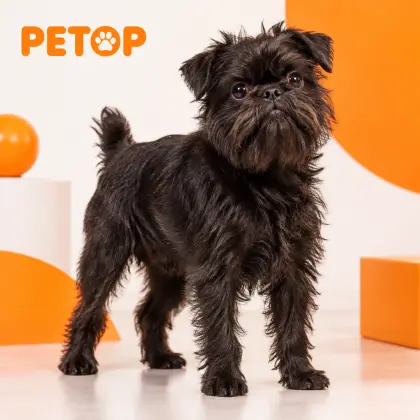
Affenpinscher
The “monkey dog”—tiny, fearless and comical.

Italian Greyhound
The tiniest sighthound—elegant, gentle and warmth-seeking.
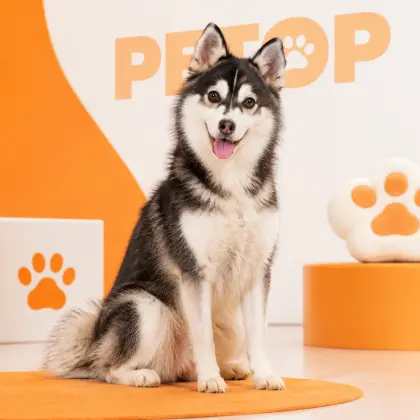
Alaskan Klee Kai
A miniature husky lookalike, reserved with strangers.

American Cocker Spaniel
The smallest sporting spaniel, with a lavish silky coat.
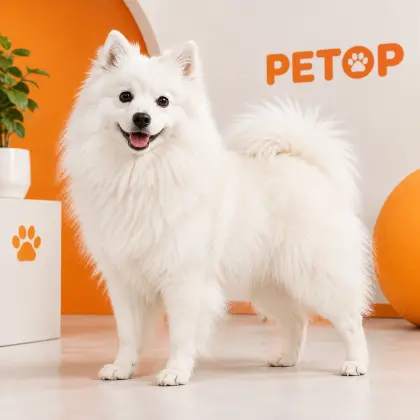
American Eskimo Dog
The fluffy white former circus star—smart and showy.
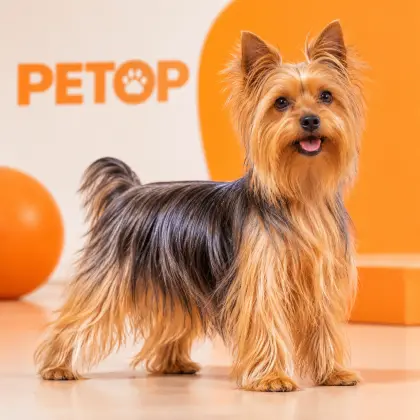
Australian Silky Terrier
A Yorkie lookalike with more terrier grit.
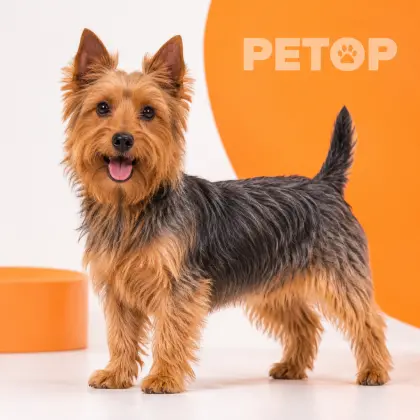
Australian Terrier
One of the smallest working terriers—plucky and adaptable.
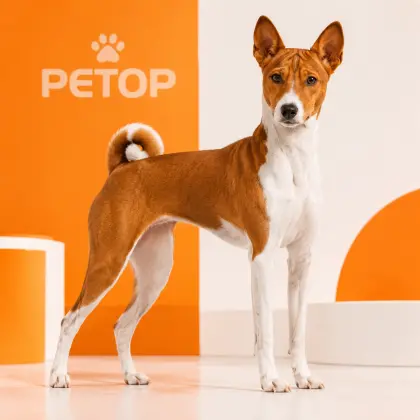
Basenji
The “barkless dog” that yodels and grooms like a cat.

Basset Hound
Long ears, short legs and a nose that leads the way.
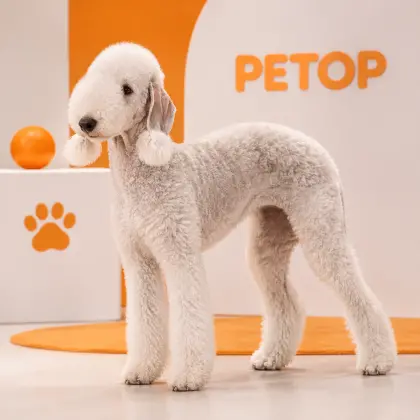
Bedlington Terrier
A lamb-like terrier with a terrier heart and minimal shedding.

Bichon Frise
A cheerful white powder-puff, low-shedding and apartment-perfect.

Biewer Terrier
A tricolour toy terrier descended from the Yorkie.

Bolognese
A fluffy white Italian lapdog, deeply attached to its owner.
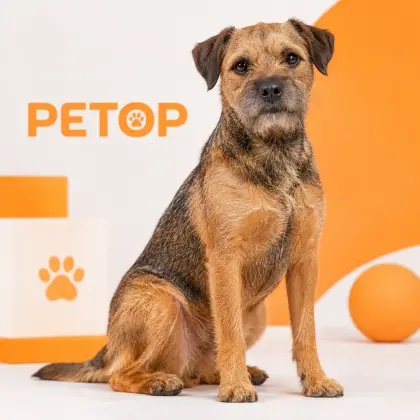
Border Terrier
An otter-headed, adaptable and easygoing terrier.

Boston Terrier
The “American Gentleman” in a tuxedo coat.
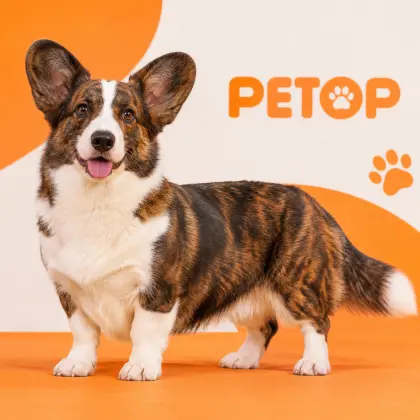
Cardigan Welsh Corgi
The long-tailed corgi—sturdier and steadier than the Pembroke.

Cavapoo
A Cavalier × Poodle cross—sweet, smart family companion.

Chinese Crested Dog
Hairless or powderpuff—an affectionate companion.
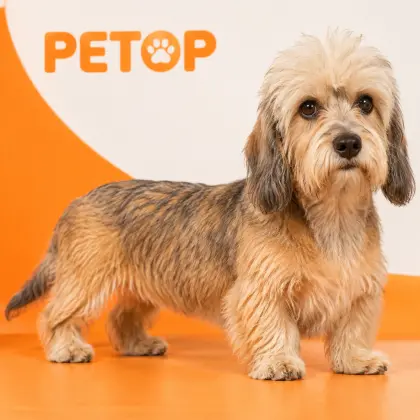
Dandie Dinmont Terrier
A rare long-bodied terrier with a silky topknot.

English Toy Spaniel
A flat-faced royal lapdog of the English court.
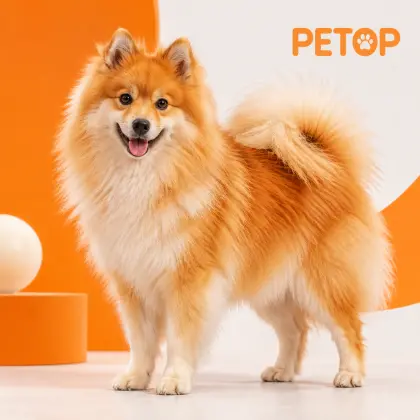
German Spitz
The family of spitzes from which the Pomeranian came—an alert little watchdog.
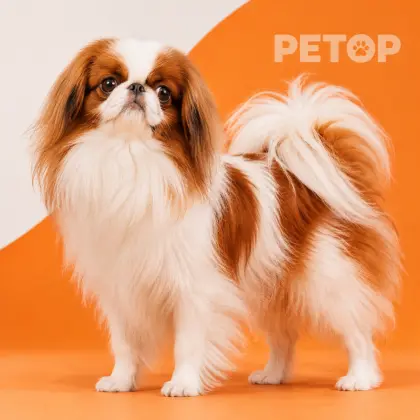
Japanese Chin
A cat-like aristocratic toy from the Japanese court.
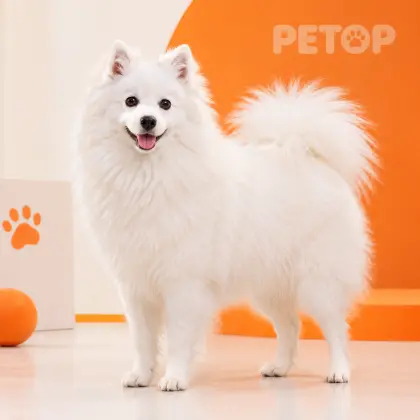
Japanese Spitz
A fluffy white companion spitz—bright and apartment-friendly.

Miniature Dachshund
The small dachshund bred to hunt rabbits in burrows.

Papillon
The butterfly-eared toy—one of the smartest small breeds.
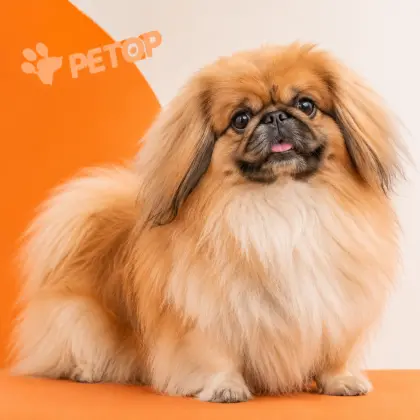
Pekingese
The lion-maned palace dog of imperial China.
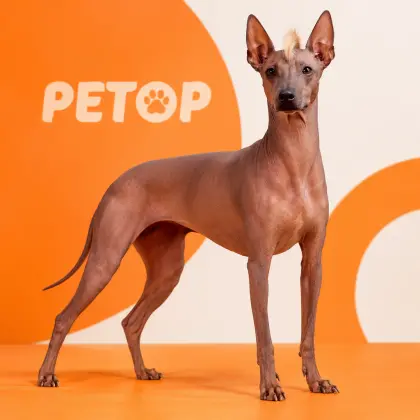
Peruvian Inca Orchid
An Inca-era hairless sighthound with warm skin.
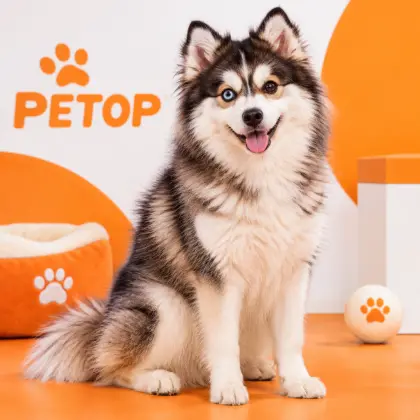
Pomsky
A Pomeranian × Husky cross—husky looks in a small package.

Puggle
A Pug × Beagle cross with a longer, freer-breathing snout.
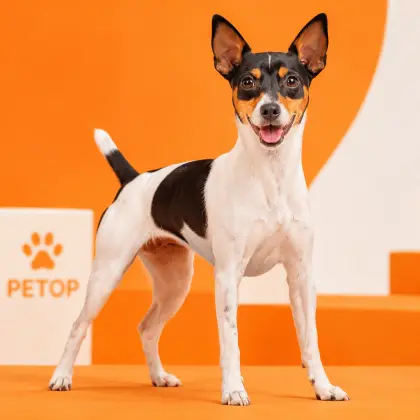
Rat Terrier
An American farm ratter—cheerful and clever.

Russkiy Toy
One of the world’s tiniest dogs, with fine legs and large ears.
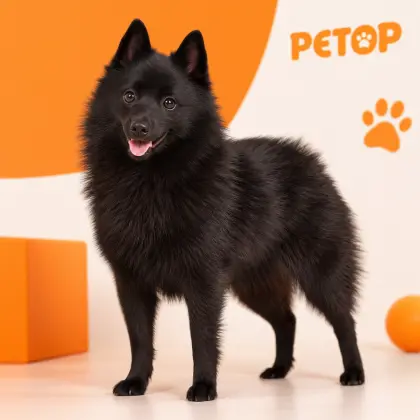
Schipperke
The little black “captain” of Belgian barges.

Scottish Terrier
The bearded, dignified “Diehard” of Scotland.

Shar Pei
The wrinkled Chinese guardian with a blue-black tongue.
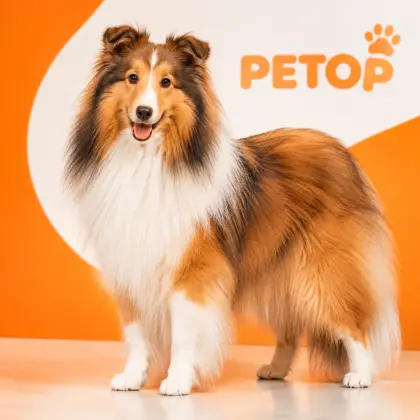
Shetland Sheepdog
A miniature collie lookalike—among the smartest breeds.
General care guide: Dogs
Before you bring a dog home
A dog is a 10–15 year commitment. Match the breed to your space, schedule and budget, not just its looks.
Feeding
Puppies eat 3–4 meals a day, adults two. Use a quality food with meat as the first ingredient. Never feed chocolate, grapes, onions, garlic, xylitol or cooked bones.
Vaccines & health
Core vaccines start at 6–8 weeks with yearly boosters; rabies from 12 weeks is essential in Iran. Deworm every three months and protect against fleas and ticks.
Training & exercise
Reward-based training works best. Socialise puppies between 3 and 14 weeks. Most dogs need at least two walks a day; working breeds need much more.
Related articles
12 amazing facts about dogs’ senses
A dog’s nose is up to 100,000 times more sensitive. Discover canine senses.
Dog pregnancy and whelping
A 63-day guide: diet, whelping box, labour signs and red flags.
Dog dental health: bad breath, tartar and brushing
Bad breath isn’t normal. How gum disease affects organs and how to prevent it.